Pages

Thursday, 2 November 2017

Tha Zin The Star Llama


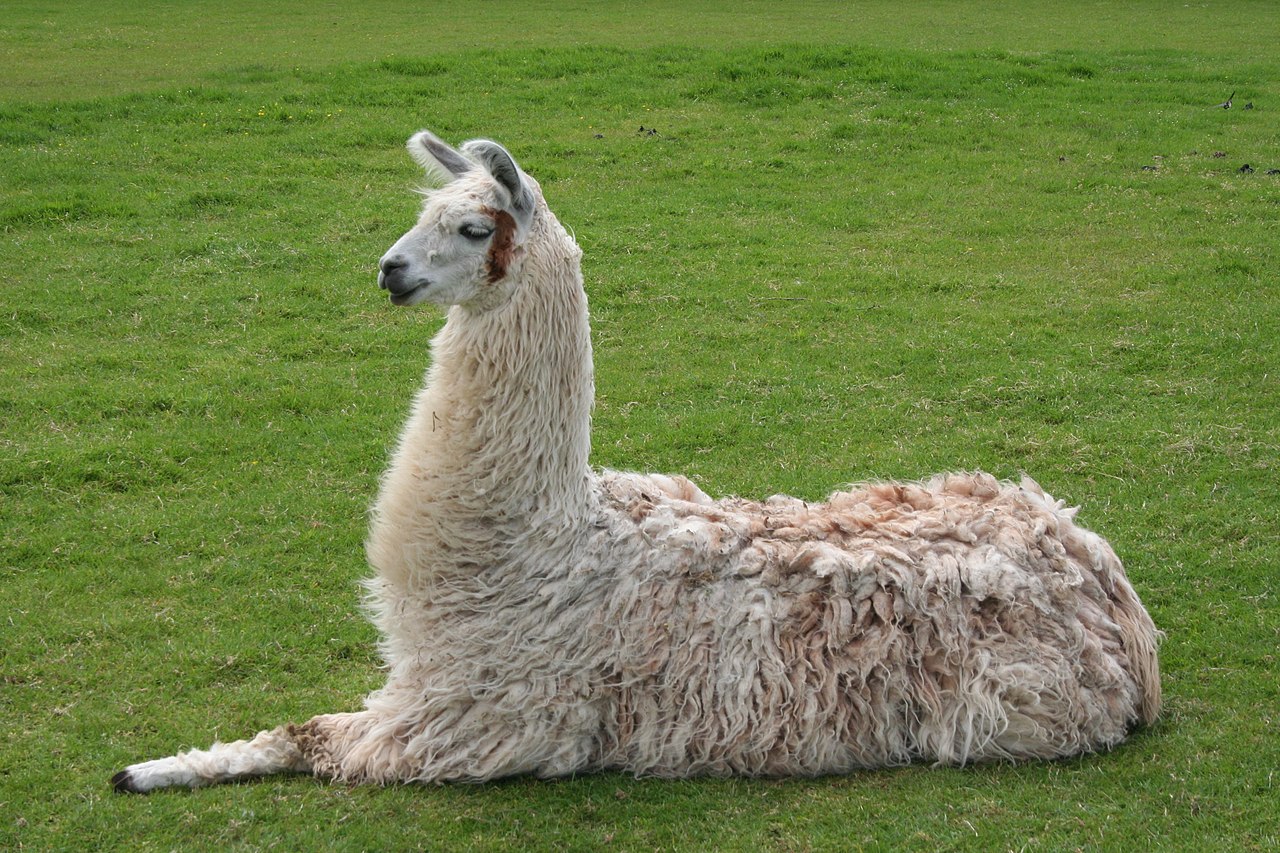
Free photo: Llama, Mammal, Fluffy, Llama Glama - Free Image on ... Llama Free Stock Photo - Public Domain Pictures

nce there was a young Inca boy. He had no family except for an old llama. Each day the boy and his llama walked many miles, looking for a home. Each night they curled up together and slept. But one starry evening, the old llama died. The boy buried his friend next to an icy stream. Then he sat under a tree and cried. What would he do? He had no family and no home.

The boy cried for a very long time. But there was no one to comfort him. There were only the stars in the sky.

Suddenly, the sky filled with bright light. The boy held his breath. He was afraid to move. One bright star fell to the ground. Slowly, the star took the shape of the old llama. She bent her head and drank from the stream. She looked at the boy and smiled. As she jumped back into the sky, bits of llama wool fell.

As the Sun began to rise, the boy picked up the soft, warm wool. It glowed in his hands like starlight. He carried the wool to the city and sold it. With the money, he bought a house. He bought two young llamas. He never forgot the star llama. And he was never lonely again.File:Llama lying down.jpg - Wikimedia Commons
Test Questions:


Why does the boy cry when the old llama dies?


a).
because he is afraid of the dark
b).
because he is always sad
c).
because the old llama is his only family
d).
because he is lost

What happened BEFORE the old llama died?

a)
The boy bought two new llamas.
b)
The boy and the llama walked many miles looking for a home.
c)
The boy collected the wool and sold it in the city.
d)
The old llama fell to the ground in the shape of a star.


Read this sentence from the story.


One bright star fell to the ground.
What does bright mean?


a). Old
b). Shiny
c). New
d). Clean

What does the boy in the story want?

a).
a cart
b).
a horse
c).
a new wool shirt

d).
a home


What happens at the end of the story?

a).
The boy buys a house and two llamas.
b).
The boy buries the llama next to an icy stream.
c).
The boy and his llama walk for many miles.
d).
The boy cries for a very long time.


Read this sentence from the story.

As the Sun began to rise, the boy picked up the soft, warm wool.
What does rise mean?
a). Grow darker
b). Fall down
c). Come up
d). Take a step


Text and questions sourced from pearsonlongman.com

Friday, 27 October 2017

Tha Zin Subtracting Decimal

Subtracting Decimals
Tenths and hundredths
Subtract the decimals and whole numbers to answer the questions below. Remember to show your working you can do this by writing it in the document or inserting a photo.

Question
Working and answer
4.71 - 0.5=
4.21
2.42 - 0.1=
2.32
1.82 - 0.3=
1.52
4.55 - 2.3=
2.25
7.75 - 3.2=
4.55
4.81 - 1.4 =
3.41
22.62 - 1.3=
21.32


Question
Working and answer
4.27 - 1.4
2.87
3.65 - 1.8
1.85
7.43 - 3.6
3.83
8.51 - 2.7
5.81
8.22 - 1.3
6.92

Tha Zin Television

Television

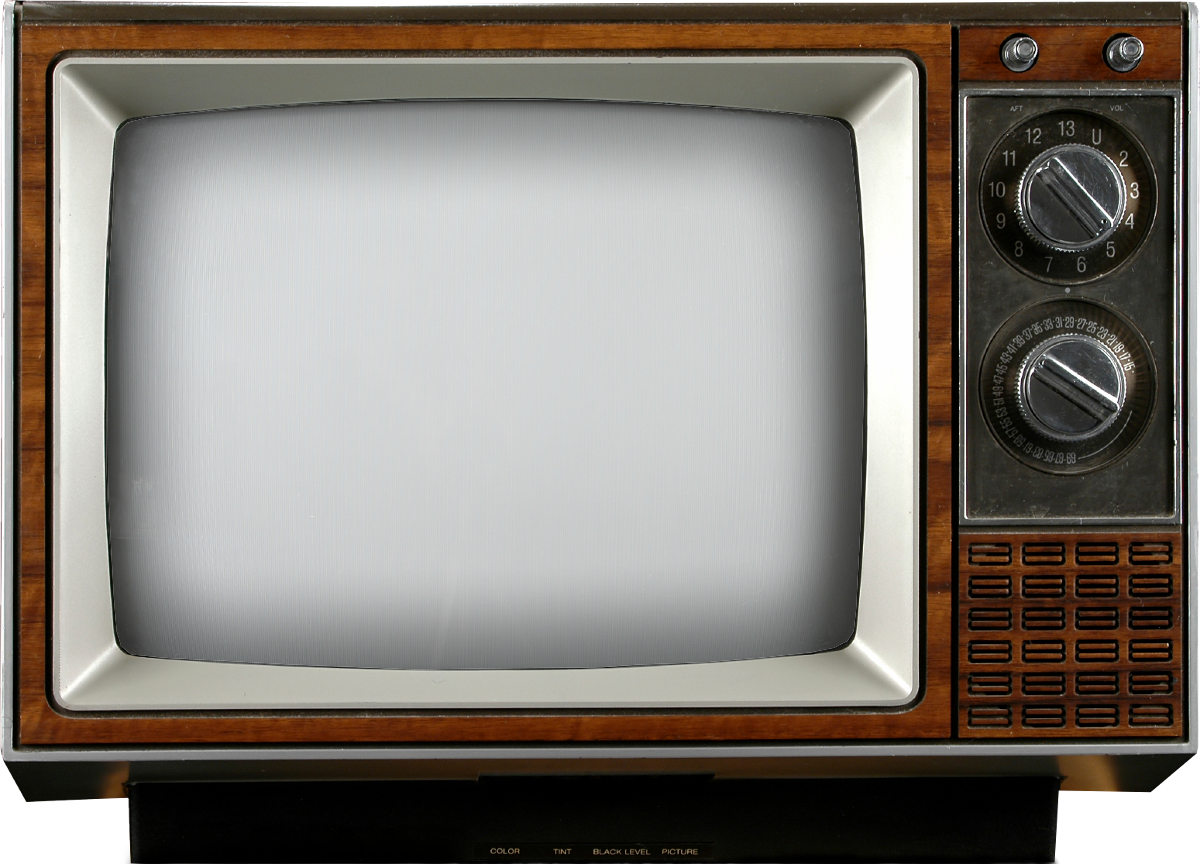
File:Tv hd.png - Wikimedia Commons

Televisions show sounds and pictures. They get data from cables, discs, or over-the-air signals. They turn this data into sounds and images. People watch news and shows on them. You probably call them TVs.

John Baird made the first TV in 1925. It had one color. It could only show 30 lines. This was just enough room for a face. It didn't work well, but it was a start.

The first TV station was set up in 1928. It was in New York. Few people had TVs. The broadcasts were not meant to be watched. They showed a Felix the Cat doll for two hours a day. The doll spun around on a record player. They were experimenting. It took many years to get it right.

By the end of the 1930s, TVs were working well. America got its first taste at the 1939 World's Fair. This was one of the biggest events ever. There were 200 small, black and white TVs set up around the fair. The U.S. President gave a speech over the TVs. The TVs were only five inches big but the people loved it.

They wanted TVs. But World War II was going on during this time. Factories were busy making guns and bombs. When the war was over, TV spread across the country. By 1948 there were 4 big TV networks in America. They aired their shows from 8 to 11 each night. Local shows were aired at other times. Most of the time, nothing was shown at all.

TV was not "always on" like it is now. Color TVs came out in 1953. They cost too much money for most. Also, shows were aired in black and white. By 1965, color TVs were cheaper. TV stations started airing shows in color. People had to switch if they wanted to see the shows.

Now most TVs are high-def. This means that they have many lines on them. This makes the image clear. TVs have come a long way since Baird's 30 line set. High-def TVs have 1080 lines. There are state of the art sets called 4K TVs. These TVs have 3,840 lines. Some people watch TV in 3D. I wonder what they will come up with next. Smell-o-vision anyone?
Questions
1. When did color TVs come out?
a. 1925
b. 1953
c. 1939
d. 1965

2. Which was not true about the first TV?
a. It could only show one color
b. It only had 30 lines
c. It did not have sound
d. It did not work well

3. When did networks start showing programs in color?
a. 1948
b. 1953
c. 1965
d. 1939

4. Why did the first TV station only show Felix the Cat for two hours a day?
a. They were running tests.
b. Felix the Cat was really popular.
c. Felix the Cat had been a big radio star.
d. Felix the Cat was the only show that they had.

5. Which of these events slowed the spread of TVs?
a. The World's Fair of 1939
b. The Civil War
c. The election of the U.S. President.
d. World War II

6. What is the author's main purpose in writing this?
a. He is trying to explain how a TV works.
b. He is telling readers how TVs became popular.
c. He is describing the history of the TV.
d. He is trying to get people to watch more TV.


7. Why did many families switch to color TVs in 1965?
a. Color TVs cost a lot of money.
b. Many shows were only shown in color.
c. Color TVs came out in 1965.
d. World War II ended and troops returned home.

8. Why was 1939 an important year for TV?
a. Many Americans were introduced to TV.
b. The first color TV was released.
c. The first TV station began broadcasting.
d. John Baird created the first TV.

9. How many lines does a 4K TV have?
a. 30
b. 1,080
c. 4,000
d. 3,840

10. Which happened first?
a. The 1939 World's Fair
b. The release of high-def TVs
c. The end of World War II
d. The release of color TVs

11. Why would watching TV have been boring in 1928?
Because they could only watch it one time a day and they did not have color.

12. Why did the 5 inch black-and-white TVs at the World's Fair impress people?


13. Why would it have been a bad idea to buy a color TV when they first were released?

Thursday, 26 October 2017

Tha Zin Adding Decimals 1

Adding Decimals 1
Add the decimals and whole numbers to answer the questions below. Remember to show your working you can do this by writing it in the document or inserting a photo.

Question
Working and answer
0.3 + 0.6=
0.9
0.4 + 0.5=
0.9
0.5 + 0.5=
1.0
0.6 + 0.4=
1.0
0.7 + 0.2=
0.9
0.4 + 0.4 =
0.8
0.3 + 0.2=
0.5
3.4 + 5.5=
8.9
9.4 + 3.4=
12.8
6.8 + 5.1=
11.9
3.3 + 2.1=
5.4
4.6 +2.4=
7.0
5.2 + 3.7=
8.9
4.1 +2.2=
6.3

In these question your decimals adds over the decimal point.
Question
Working and answer
0.7 +0.6 =
1.3
0.5 + 0.5 =
1.0
1.4 + 0.8 =
1.2
2.6 + 0.5 =
3.1
1.5 + 1.7 =
3.2